

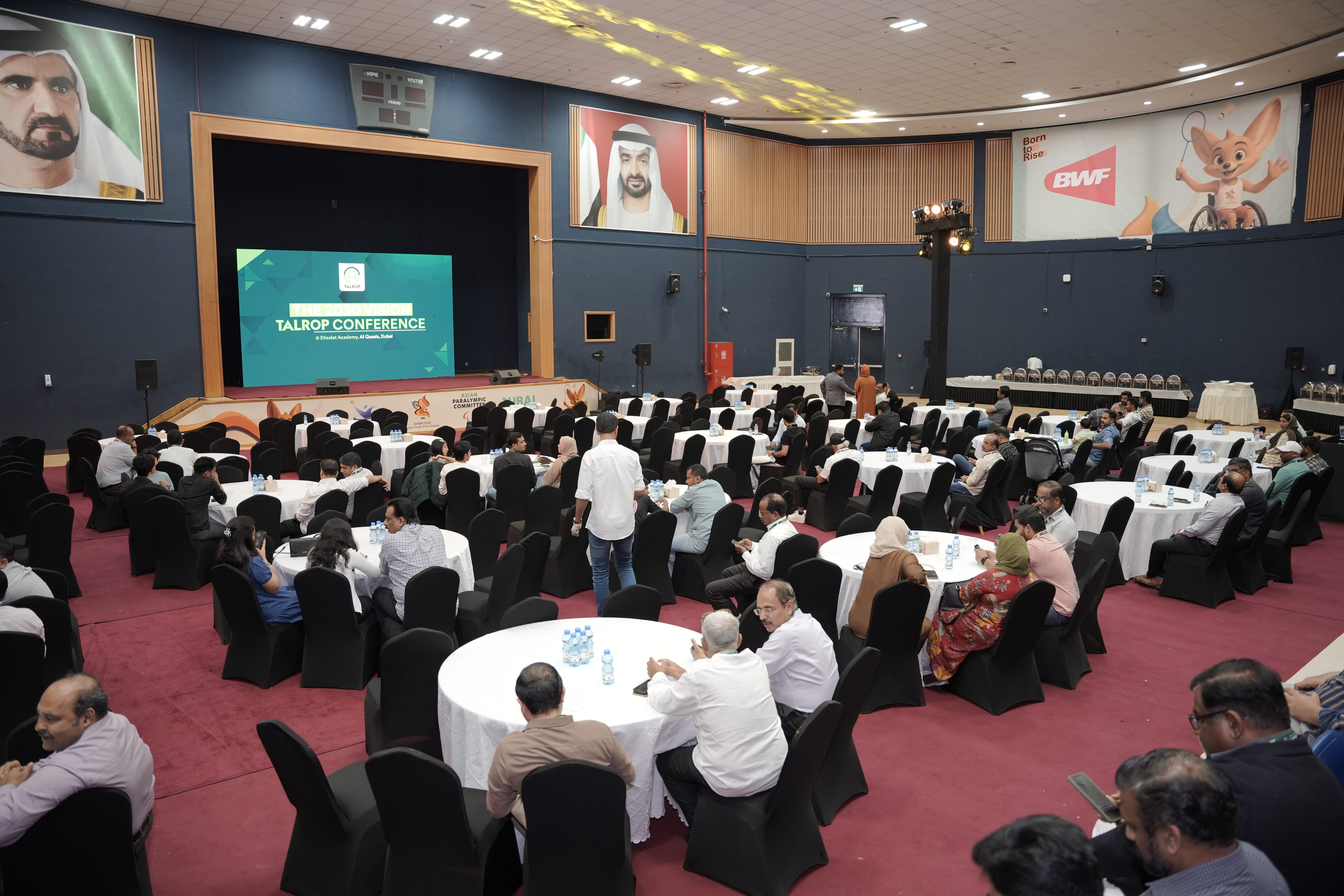
Hosted at Etisalat Academy in Dubai, The 2030 Vision Talrop Conference, organised by Talrop, serves as a strategic platform reflecting the evolving global shift toward innovation-led economic ecosystems. The event brings together vision, infrastructure strategy, and international market alignment to demonstrate how structured, long-term ecosystem development can transform regional talent and technology capabilities into globally competitive outcomes. By presenting a future-focused development blueprint supported by scalable infrastructure, cross-sector collaborations, and global partnership frameworks, the conference highlights how emerging innovation regions can integrate into the global technology economy while building sustainable, future-ready talent and enterprise pipelines.
The 2030 Vision, Global Expansion, and Integrated Ecosystem Transformation
The conference articulated a long-term ambition to build a Silicon Valley Model Innovation Ecosystem originating from Kerala, positioning it as a systems-level transformation of how technology talent, startups, and global enterprises are produced and scaled. The global scaling narrative, particularly around GCC expansion and global talent-to-market connectivity, was detailed by Anas Abdul Gafoor while discussing the organisation’s journey and Vision 2030 roadmap. Expanding the ecosystem into sustainable and distributed development models, Abdul Salam Muhammed spoke about the Sustainable Smart Green Villages (SSGV) vision and collaborative frameworks required to enable future-ready innovation environments.
Emphasising the strategic importance of real estate development in enabling large-scale economic and ecosystem expansion, Karadan Lands was highlighted as a key example of how structured land acquisition, brokerage networks, and high-value real estate deals play a critical role in supporting long-term regional growth. In this context, Sulaiman Karadan, a well-known real estate leader, also highlighted the launch of The Broker Academy to strengthen professional real estate brokerage capabilities and create more structured deal-making ecosystems. The enabling role of capital ecosystems and next-generation technology campus development was outlined by Abdul Paravengal through the Steyp and technology campus vision, and also highlighted the importance of integrated investment and infrastructure strategies supported by Kyra Capital in scaling innovation-led development.


The overall systems transformation vision, moving beyond traditional startup incubation toward a synchronised model integrating infrastructure, talent, innovation, and global partnerships, was consolidated in the strategic Vision 2030 outlook presented by Safeer Najumudeen, reinforcing the mission to enable the creation of globally competitive technology enterprises and future-ready talent pipelines from the region. Strengthening the education-to-innovation pipeline perspective, Aji Mathew presented institutional collaboration opportunities through Ajinorah Institutions, emphasising global academic–industry alignment and international talent development pathways.
The strategic direction around building a deep-tech and startup production engine was emphasised through the keynote delivered by Jones Joseph, highlighting the importance of structured talent development and industry-integrated innovation pathways, followed by the vote of thanks acknowledging the speakers, partners, collaborators, and stakeholders who contributed to the conference’s success.


The Convergence of SSGV, Capital Investment, Education, and Real Estate Systems
The Sustainable Smart Green Villages (SSGV) initiative is structured as a future-ready development model that integrates sustainability, smart infrastructure, and technology to create self-sustaining communities and enable decentralised, innovation-led economic growth beyond major urban centres. It is designed to serve as a scalable framework where multiple sectors converge to support long-term regional development. Kyra Capital, operating as a Venture Capital and Private Equity principal, plays a critical role by enabling ecosystem-scale execution through strategic capital deployment, long-term investment structuring, and financial backing for technology and infrastructure-led projects.
Ajinorah Institutions strengthens the ecosystem by aligning education with industry and global market needs, supporting international academic collaborations, and developing future-ready talent pipelines that integrate seamlessly with innovation and enterprise growth. TBA – The Broker Academy, aligned with the real estate growth vision of Karadan Lands, focuses on professionalising the real estate brokerage ecosystem through structured training and certification, enabling higher-quality transactions and organised deal networks essential for large-scale infrastructure and economic expansion.


The Strategic Role of the GCC in Vision 2030 Execution
The GCC expansion strategy reflects how Talrop is positioning itself through gateway markets such as the UAE to accelerate global ecosystem integration. By building permanent regional presence, hosting high-impact conferences, enabling investor access, and strengthening institutional and academic collaborations, the strategy focuses on enabling cross-border talent mobility, capital connectivity, and structured market entry pathways for startups and enterprises across GCC economies, reinforcing the region’s role as a global innovation and enterprise bridge. This strategic direction was strongly reinforced through The 2030 Vision Talrop Conference, organised at Etisalat Academy, Dubai, serving as a landmark platform to align global partnerships, ecosystem stakeholders, and future expansion roadmaps toward Talrop’s Vision 2030 global mission.


